Little Miss Preschool SVG: A Designer's Hands-On Review
I’ve been working with embroidery designs for years, both for my own craft business and as a reviewer for fellow makers. When a new design lands in my digital library, my first question isn’t just "Is it cute?" but "How will it actually perform when I stitch it out?" Today, I’m thinking through the Little Miss Preschool SVG Design from that exact perspective. Let’s imagine I’ve just purchased it and am preparing to use it for a real client project—a custom embroidered tote bag for a teacher.
The Immediate Visual Personality & Project Fit
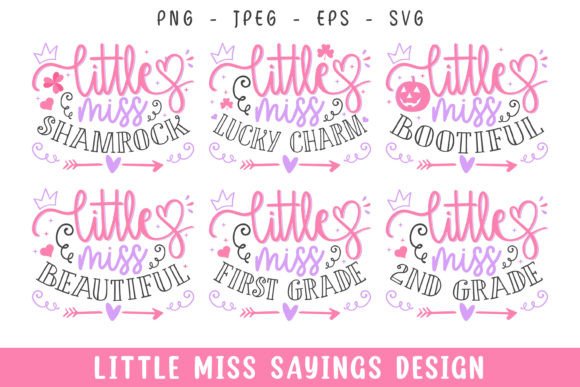
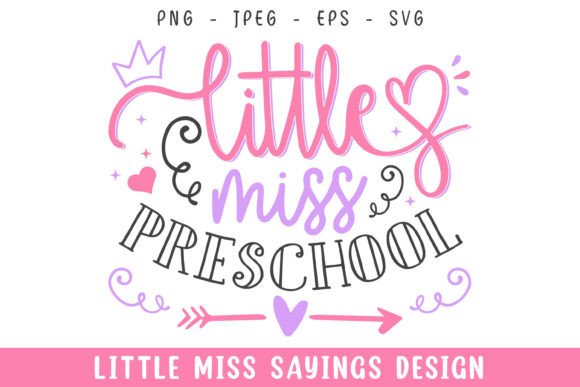
Opening this design, the first impression is one of cheerful, clean simplicity. The vector-based shapes promise crisp outlines, which is a major plus for embroidery where blurred edges can ruin the effect. The "Little Miss" theme carries a nostalgic, sweet mood that feels instantly giftable. The layout isn’t overly dense; it has a balanced, open feel that suggests it won’t become a heavy, stiff patch of stitches on lighter fabrics. This isn’t a design that screams "high-detail art piece"—it’s a friendly, recognizable graphic. I can already picture it on a child’s sweatshirt, a nursery pillow cover, or, as in my current plan, the front of a canvas tote bag.
Where This Design Excels in Real Embroidery Projects
The product description highlights its versatility for dark or light backgrounds and mugs, which translates well to the embroidery world. For my teacher’s tote, I’m considering a classic natural canvas. The vector shapes should convert nicely into clean satin stitches for the lettering and fill stitches for the simpler graphic elements. The design’s personality makes it a natural fit for baby clothes embroidery, personalized holiday gifts like aprons or kitchen towels, and small shop merchandise like caps or simple patches. It’s the kind of graphic that would sell well at a craft fair for Etsy sellers and creative entrepreneurs focusing on personalized products—it’s approachable and universally understood.
For commercial embroidery projects, like a batch of sweatshirts for a preschool fundraiser, this design’s straightforward nature means faster stitching times and less thread usage than a hyper-detailed file. It would also look sharp in a printable mockup for a digital product listing, giving customers a clear idea of the finished product’s vibe. The "Little Miss" sayings element adds a touch of personality that enhances brand consistency for a boutique focusing on children’s goods or heartfelt gifts.
Practical Considerations & Areas for Careful Use
No design is perfect for every scenario, and a professional’s job is to know its limits. The promise of "easy change color" is great, but in embroidery, color choice is about thread contrast against fabric. On a dark fabric, I’d lean towards bright, opaque threads for the fill areas to maintain visual clarity. The design likely has some smaller details and corners. On a stretchy fabric like a thin t-shirt, without proper stabilizer, those details could distort. I wouldn’t default this to a tiny hoop size; a comfortable 4x4 or larger would give those shapes space to stitch out cleanly.
Textured fabrics like some blankets or curved surfaces like caps require extra attention. The simpler shapes here are an advantage, but I’d still test on scrap fabric first to see how the stitch density behaves. If the design uses very dense fill stitches in areas, it could make a baby’s garment uncomfortably stiff or be problematic on a layered garment like a jacket. Also, for products needing frequent washing, like aprons or tea towels, I’d ensure the stitch coverage is solid enough to withstand wear without fraying at the edges.
How This Design Impacts Customer Perception & Value
From a business angle, using a design like this effectively boosts customer trust and engagement. When stitched neatly onto a high-quality tote bag, it transforms from a digital graphic to a tangible, handmade product with real charm. The finished item feels professional and intentional, not haphazard. This directly increases its giftability and perceived value. For a small business owner, offering a personalized "Little Miss" embroidered pillow cover becomes a specific, desirable product line rather than a generic offering. The recognition of the theme makes marketing easier—you’re tapping into a familiar, positive aesthetic.
Essential Designer Notes Before You Stitch
Before I commit this to my client’s tote bag, here’s my personal checklist. First, I’ll run the embroidery file through my software to preview the stitch types and order. Even though it’s made with vector shapes, the conversion to stitches needs inspection. I’ll look at any potential tiny lettering to ensure it’s readable when stitched. I’ll create both a black and white thread mockup to visualize it on light and dark backgrounds, as the description suggests. Stabilizer choice is key—for my canvas tote, a medium-weight cutaway will likely suffice.
Crucially, I’ll verify the licensing terms. The description doesn’t specify, so I must confirm whether this Little Miss Preschool SVG Design is cleared for commercial use, allowing me to sell the finished embroidered tote bag and other items. This is a non-negotiable step for any craft business or apparel decorator. Finally, I’ll consider thread color palette. For the teacher tote, perhaps a bright, sunny yellow fill with a crisp black outline to keep it playful yet sharp. This design doesn’t lock you into specific colors, which is a strength, but thoughtful contrast is everything in the final embroidered project.
The Final Verdict for Hands-On Crafters
In my evaluation, the Little Miss Preschool SVG Design stands out as a reliable, versatile graphic for a wide range of embroidery projects where a cheerful, simple personality is desired. It’s not an overly complex machine embroidery design that requires expert handling, making it accessible for hobbyists and professionals alike. Its true test will be on the hoop and the product, but its vector foundation and mood point towards successful outcomes on items like baby blankets, personalized gifts, and small shop merchandise. Remember, the digital file is just the starting point. Your skill in pairing it with the right fabric, thread, stabilizer, and purpose turns it into a valuable finished product that customers will love.